
Facilities and Infrastructure
Georgia Tech operates state-of-the-art electronics and nanotechnology core facilities, offering a broad range of fabrication and characterization capabilities for activities from basic discovery to prototype realization.
Georgia Tech fosters a research environment positioned to advance quantum science, engineering, and applications across the full quantum stack. Across campus and the Georgia Tech Research Institute (GTRI), researchers have access to shared facilities, fabrication tools, characterization platforms, cryogenic systems, photonics and electronics infrastructure, computing resources, and applied research environments. Together, these capabilities support research from fundamental discovery and quantum materials to device development, system integration, testing, and deployment. They also provide researchers, students, industry partners, and government collaborators with the tools to move quantum ideas toward practical applications and future shared testbeds.
Fabrication, Characterization, and Computing Facilities
Micro/Nano Fabrication Facility
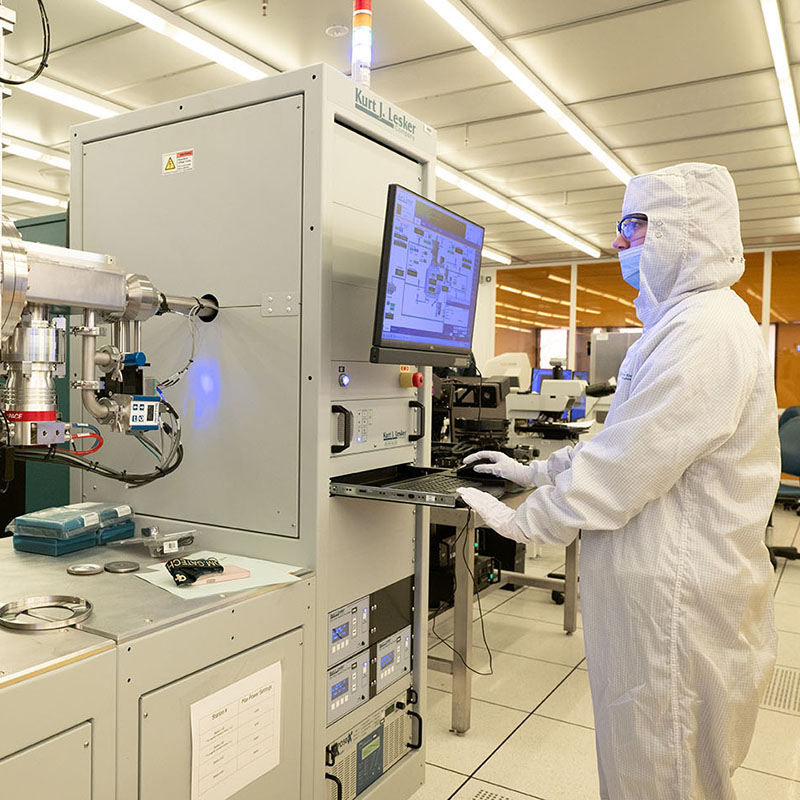
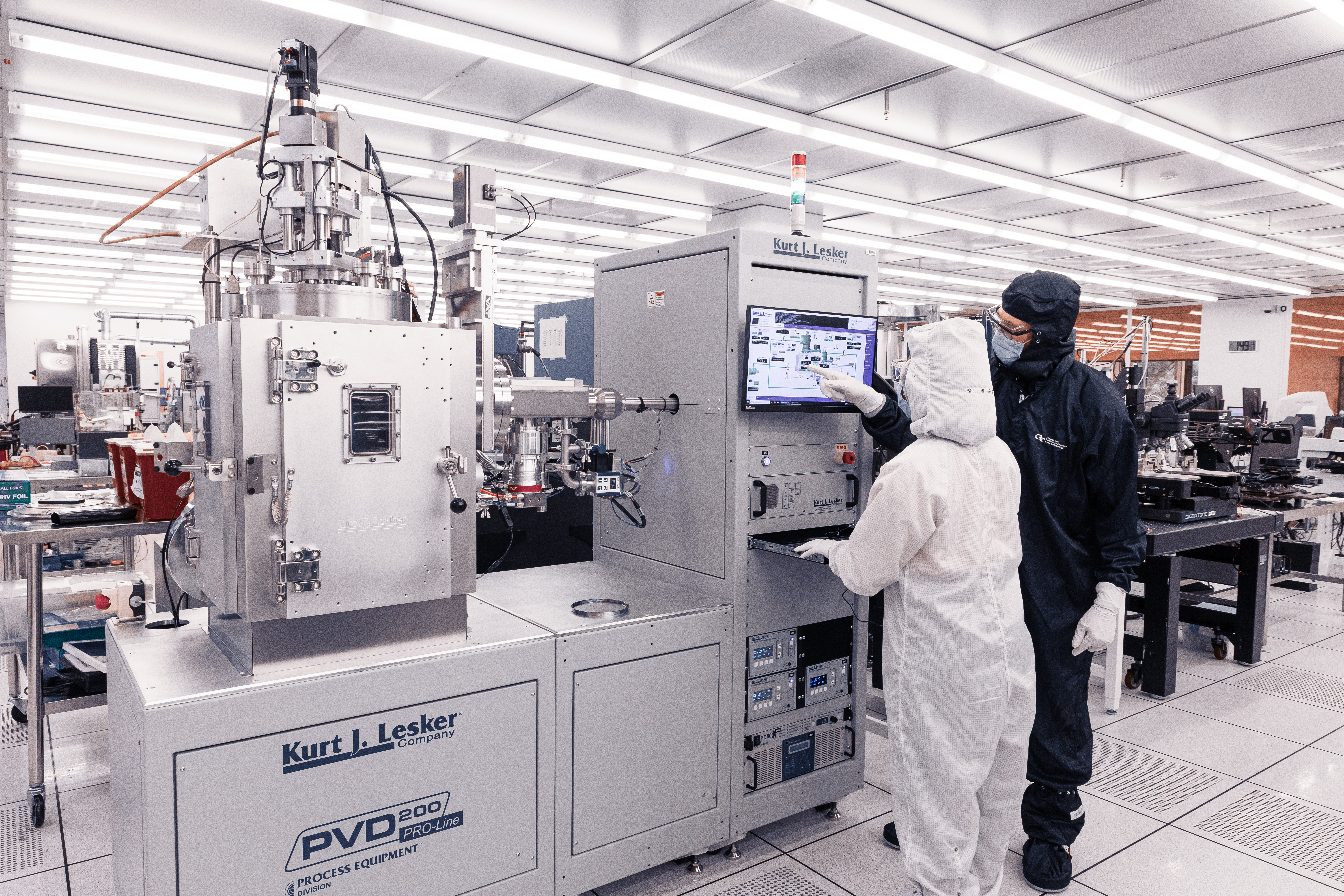
Georgia Tech’s Micro/Nano Fabrication Facility provides shared cleanroom infrastructure for advanced device development in the Marcus Nanotechnology Building and the Pettit Microelectronics Building. The facility supports work in microelectronics, nanoelectronics, MEMS, photonics, materials, and sensor technologies, including quantum-relevant photonic components, nanoscale sensors, electronic interfaces, test structures, and integrated device platforms.
Materials Characterization Facility
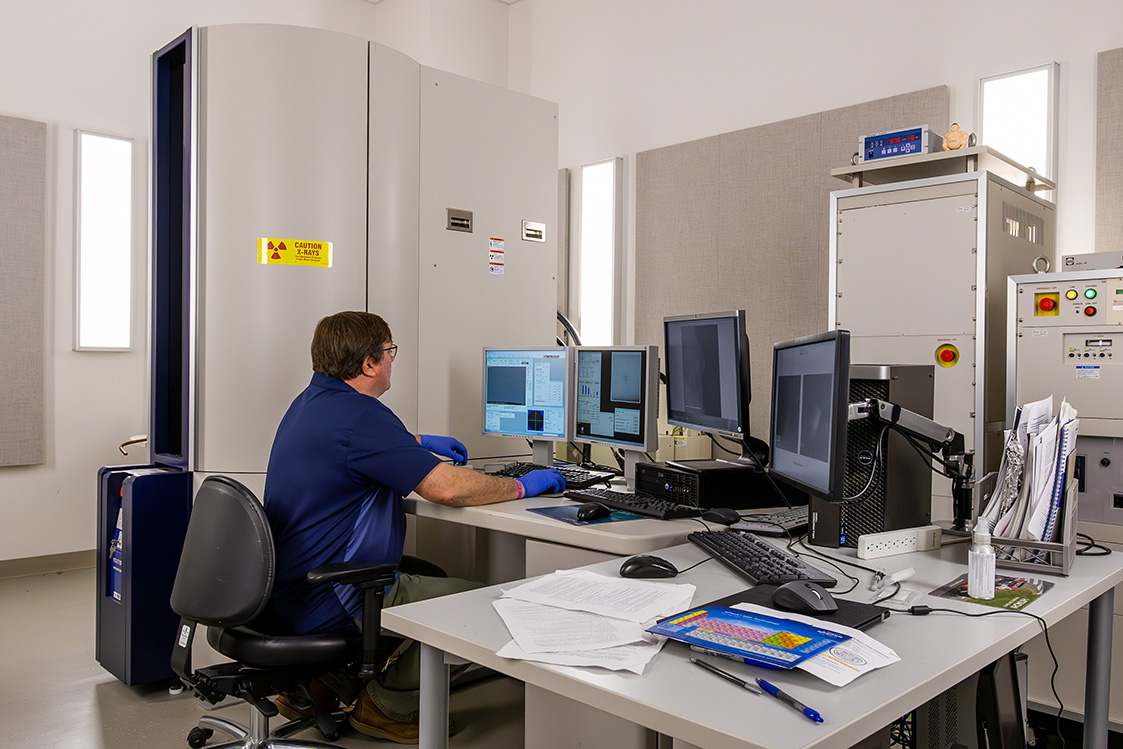
Georgia Tech’s Materials Characterization Facility adds advanced tools and technical expertise for materials analysis, helping researchers connect material quality, interfaces, defects, device structure, and performance across academic, industry, and government research.
3D Systems Packaging Research Center
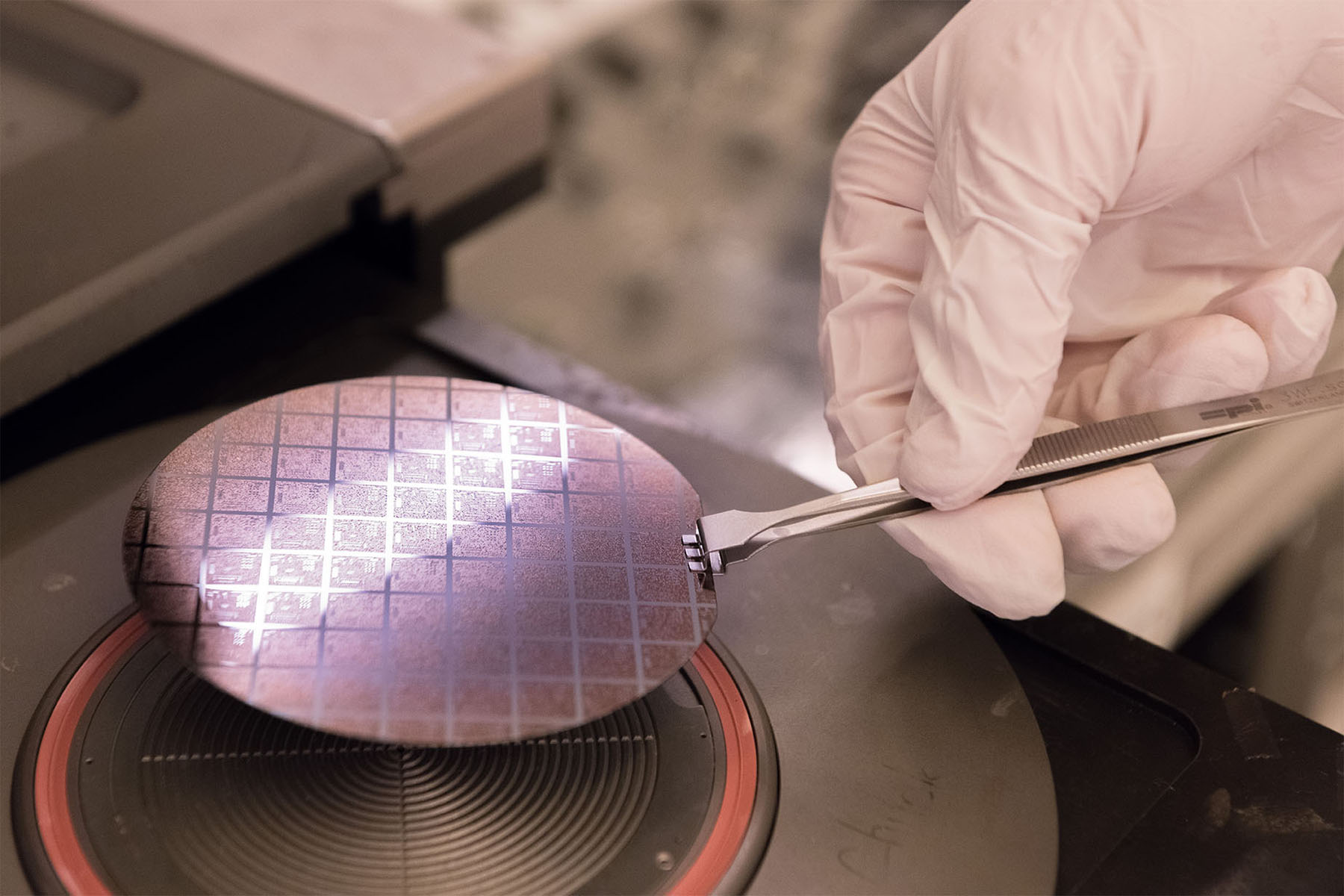
The Georgia Tech 3D Systems Packaging Research Center (3D PRC) is a leading university driven center that focuses on advanced packaging using 2.5D and 3D heterogeneous integration technologies. The center conducts research and education in all aspects of advanced packaging and heterogeneous integration that includes materials, design, processes, thermal management, power delivery, and assembly and integration driven by applications that include high-performance computing, artificial intelligence, automotive, mm-wave communication, and photonic connectivity.
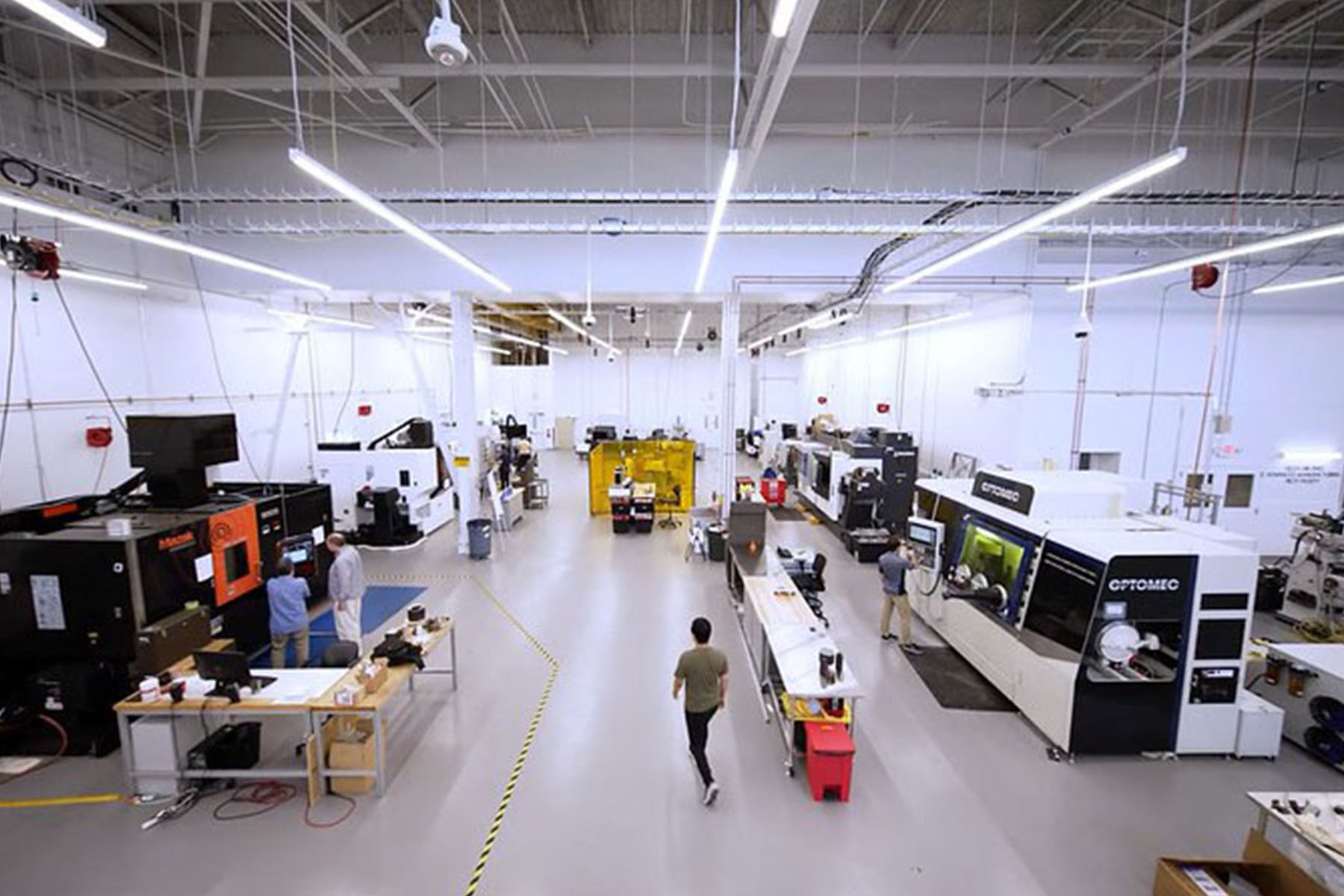
Advanced Manufacturing Pilot Facility
The Georgia Tech Advanced Manufacturing Pilot Facility (AMPF) is a 20,000 square foot reconfigurable research and development high bay manufacturing facility in Midtown Atlanta supporting industrial, academic, and government stakeholders that also serves as a teaching laboratory. AMPF is a resource and key partner for SBIR/STTR development.
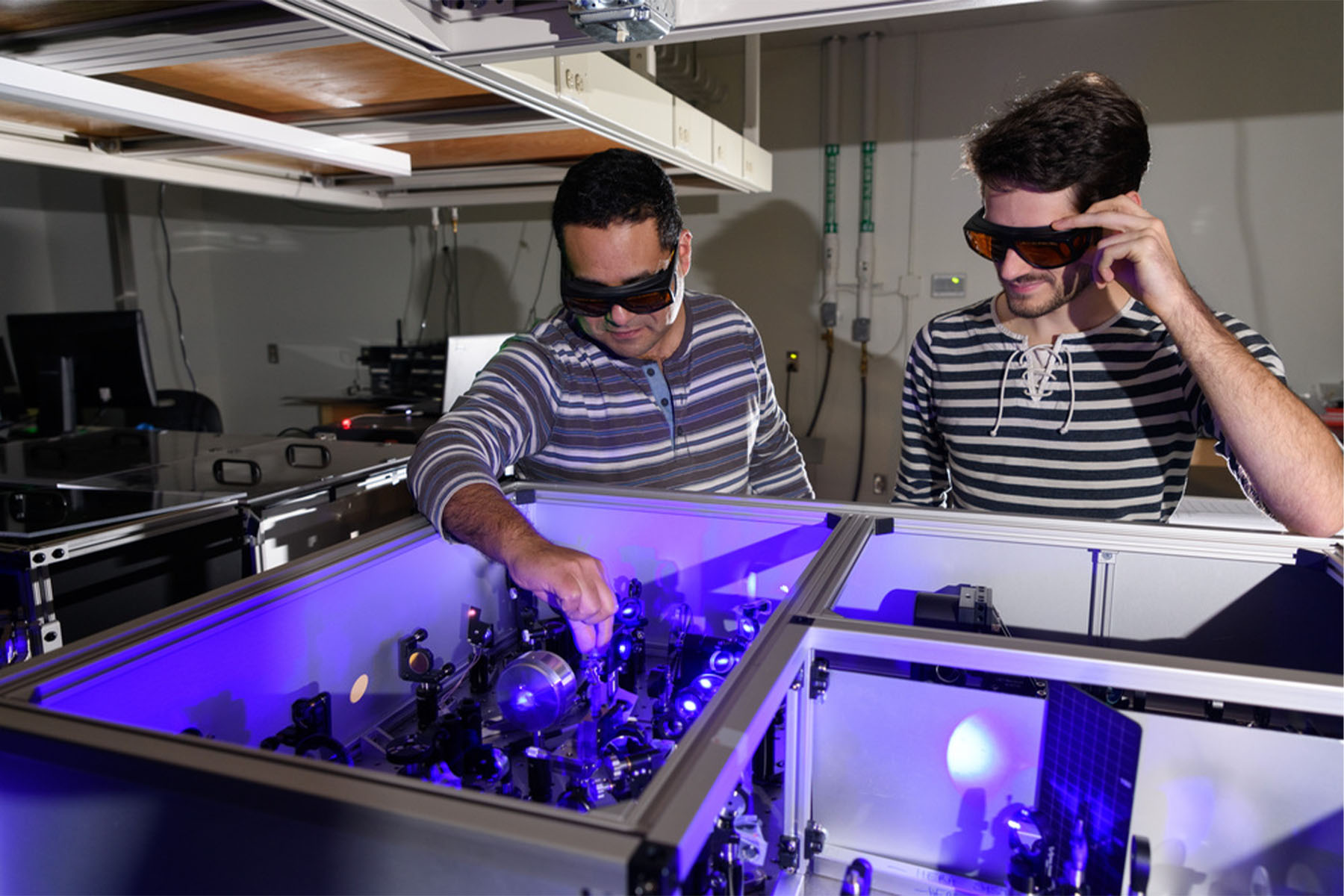
Cryogenics, Photonics, Electronics, and Computing
Georgia Tech's quantum research is supported by a broad network of specialized facilities housed within faculty research laboratories across campus. These laboratories provide capabilities spanning cryogenic measurements, optics and photonics, precision electronics, materials synthesis and characterization, device fabrication, quantum control, and advanced computing. Complementing these experimental capabilities are research programs developing quantum algorithms, protocols, software, and computational methods. Together, this ecosystem supports research in quantum materials, sensing, communication, networking, and computing, enabling advances that span fundamental discovery, technology development, and real-world applications.
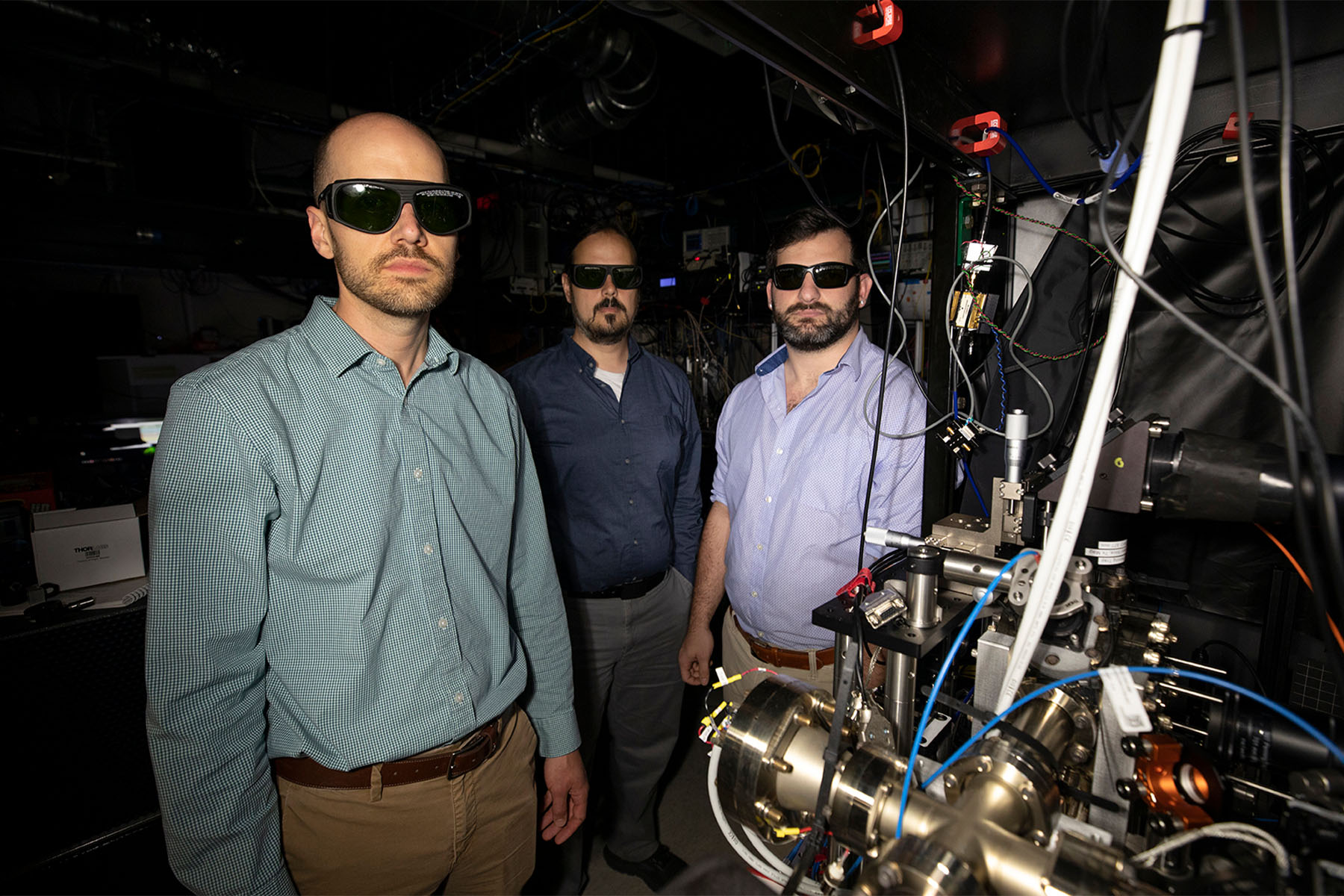
GTRI’s Quantum Systems Laboratories
The Georgia Tech Research Institute (GTRI) connects advances in quantum technologies to national security missions like sensing, timing, secure communication, and computing. Its strengths in quantum physics, systems engineering, prototyping, testing, and mission-focused research help move quantum systems beyond the laboratory and create a path from early discovery to usable technologies. GTRI’s facilities support the characterization of ion traps for quantum computing and the of quantum magnetometers and electric field sensors.